Shortwood Lodge

Shortwood Lodge is an informational website about nature-based stays, cozy interior design, walking in green surroundings, and sustainable travel. For those who want clear and practical information about living close to nature.

What is a lodge and what to expect

Definition and origin of a lodge

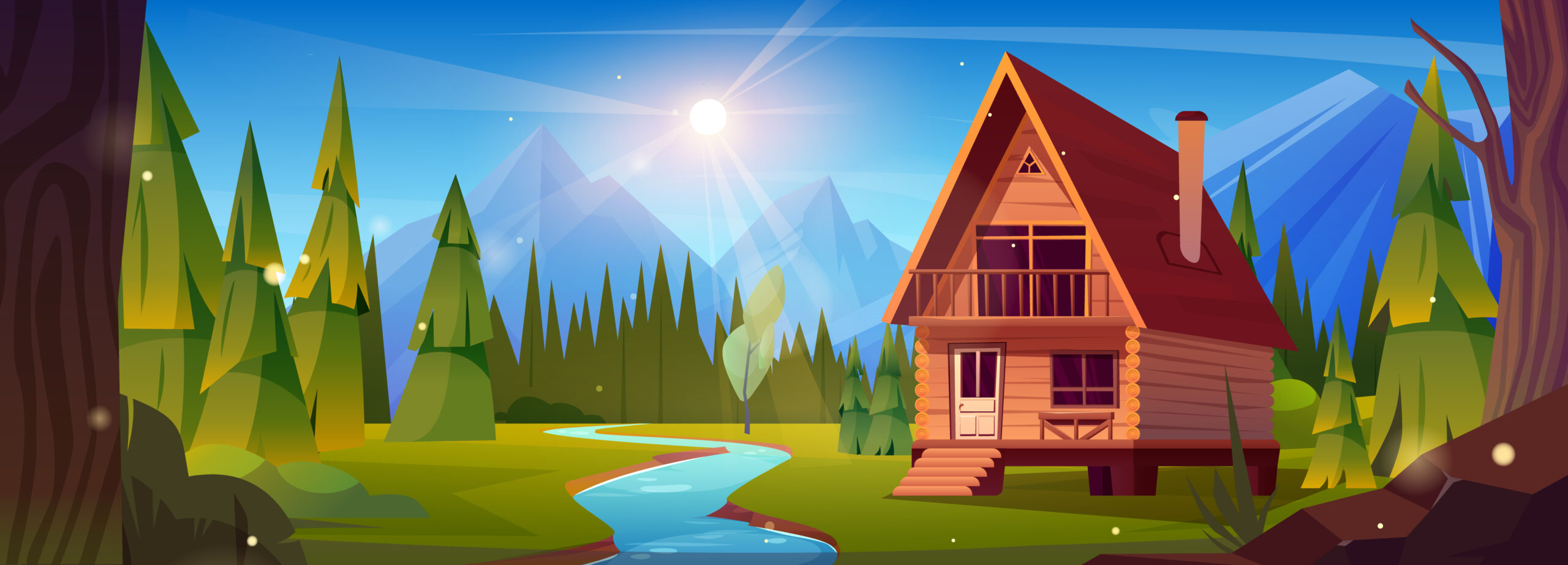
A lodge is typically a small, standalone accommodation located in or near natural surroundings. The term originally referred to rural or forest dwellings used for rest during hunting or travel.
Types of lodges

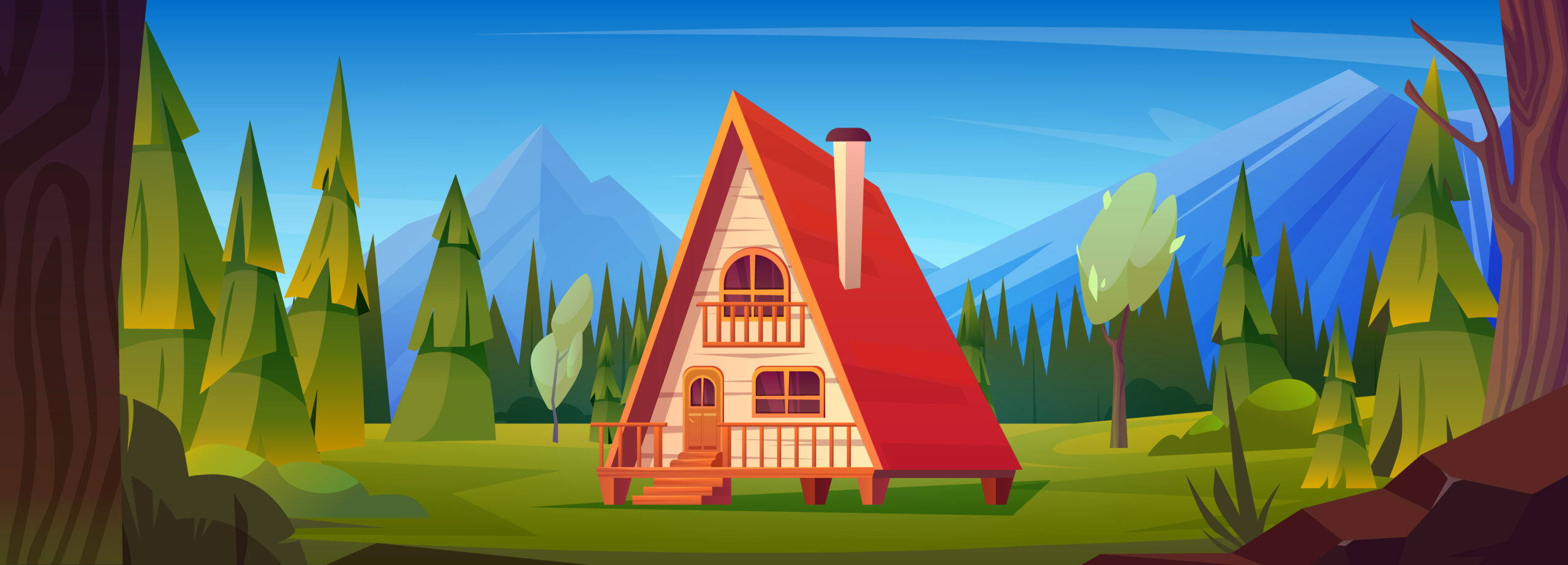
From safari lodges in Africa to mountain lodges in Scandinavia, there are many styles. Some focus on luxury, others on simplicity and connection to nature.
Common features and layout

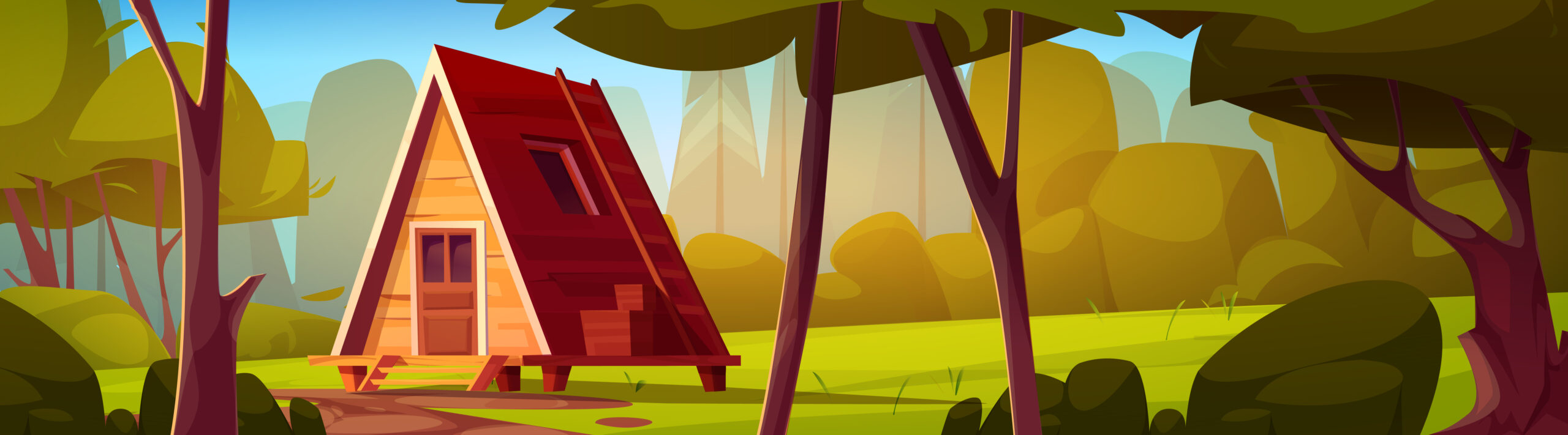
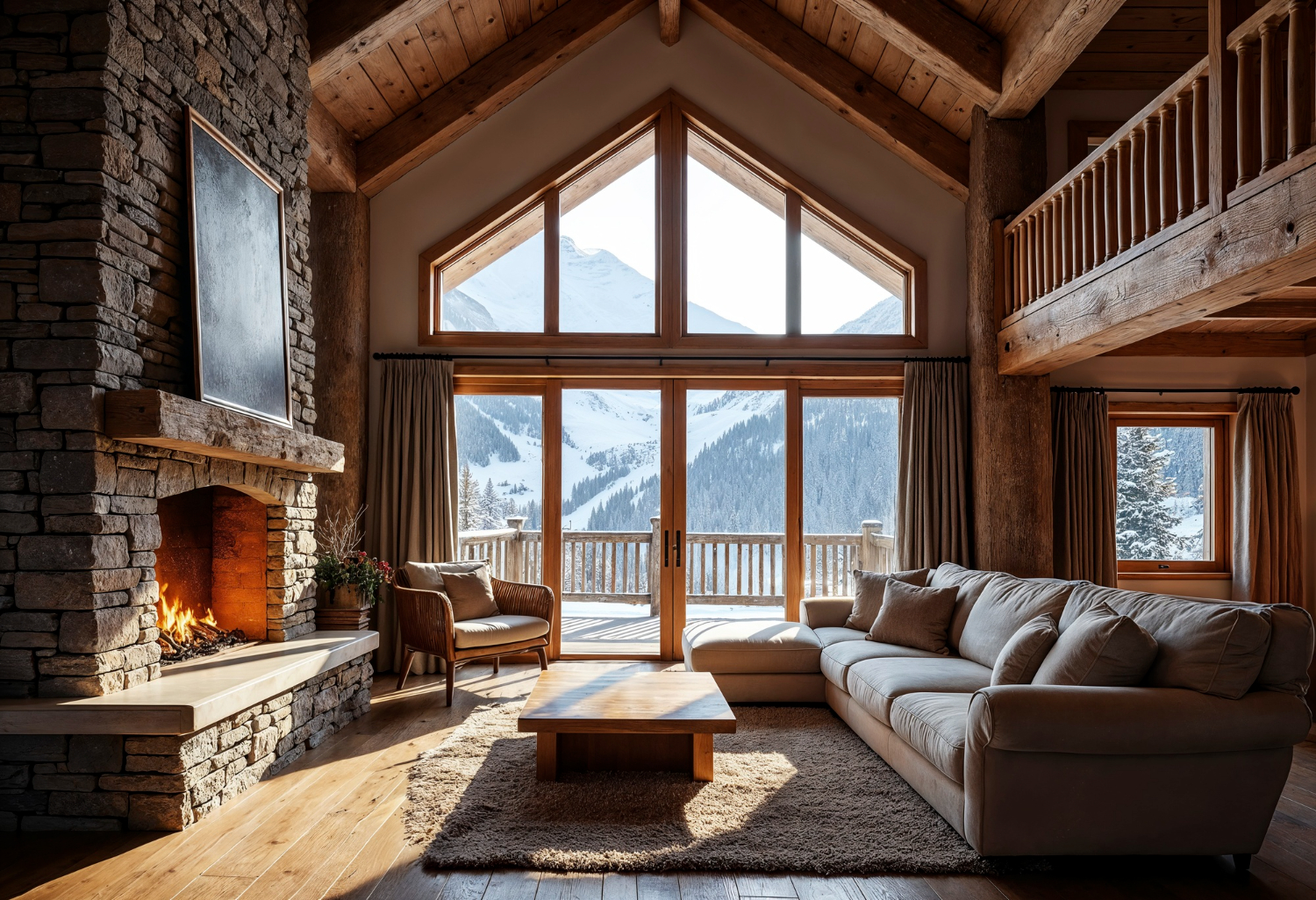
Most lodges offer privacy, a warm atmosphere, and natural materials like wood and stone. Open floor plans, fireplaces, and large windows are common.
Lodge services and amenities

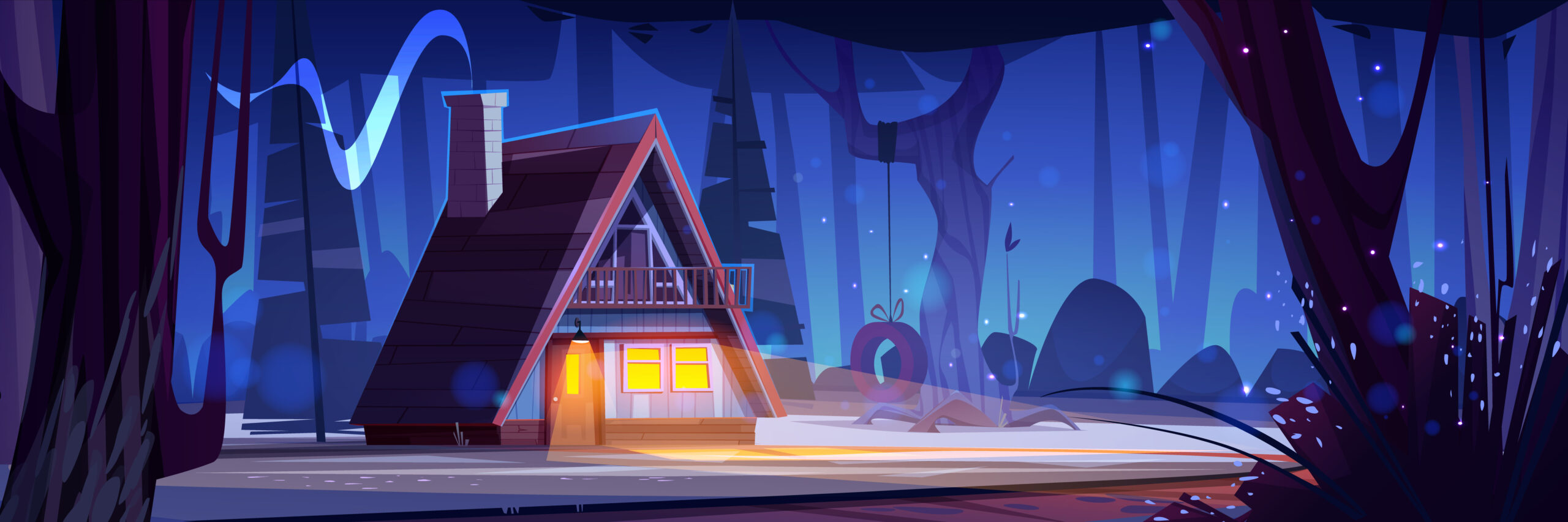
Depending on the location and price range, lodges may include full meals, guided tours, hot tubs, or even off-grid options with minimal infrastructure.
Who lodges are suited for

Lodges appeal to couples, families, solo travelers, and nature lovers looking for peace, space, or adventure without the crowds of large hotels.
Seasons and packing tips

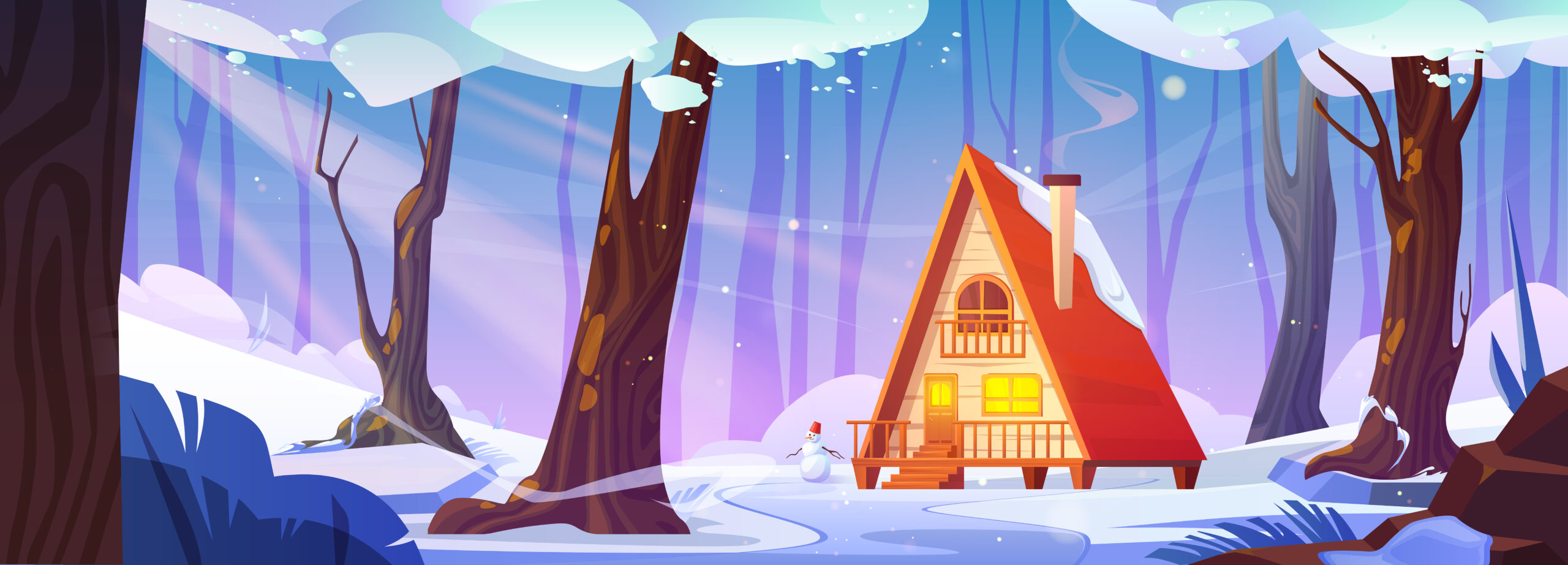
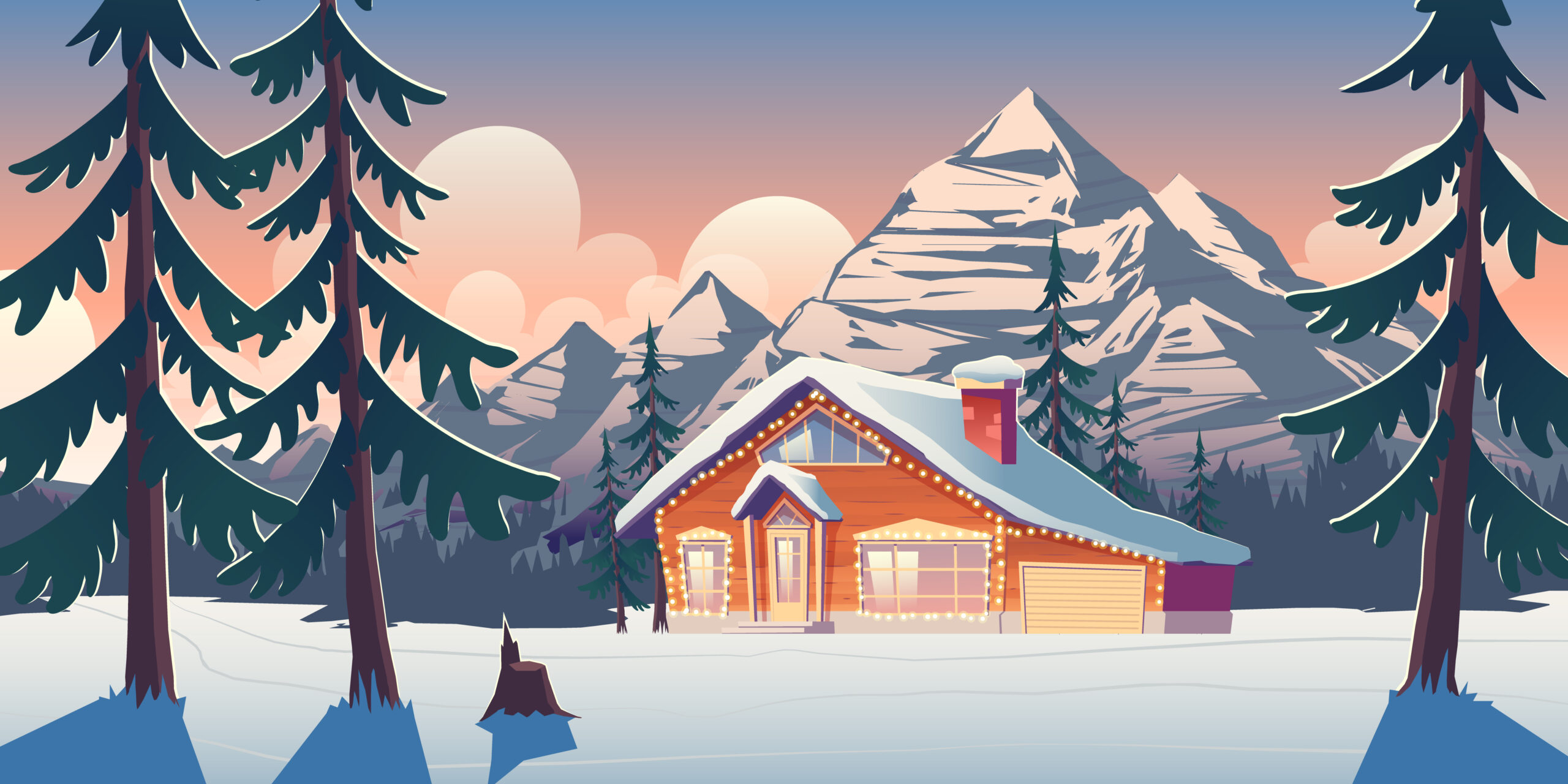
The lodge experience can vary by season—think cozy in winter, active in summer. Packing depends on climate, activities, and how remote the lodge is.
Popular lodge locations in Europe and beyond

Norway, Sweden, and Finland are known for their remote lodges surrounded by nature. Think of wooden cabins by a lake, often with a sauna and views of forests or mountains. Perfect for those seeking peace and enjoying long hikes, cross-country skiing, or the northern lights.

In countries like Italy, Spain, and Portugal, you’ll find lodges among vineyards, olive groves, or on mountain slopes. The atmosphere is often warm and rustic, with a focus on local materials and comfort. Many of these lodges combine nature with culinary experiences and mild climates.

Lodges are also popular outside Europe, in places like Canada, New Zealand, and South Africa. They’re often located in national parks or reserves, offering chances to spot wildlife or enjoy breathtaking landscapes. These destinations usually require more travel time but provide unique experiences.

Basic principles of lodge interior design

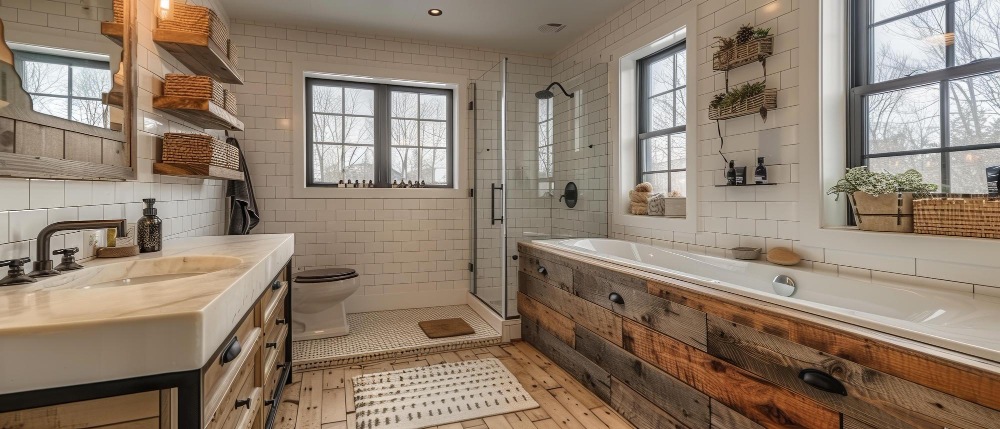
Lodge interior design is rooted in natural materials and a connection to the surroundings. Wood, stone, and neutral tones create a warm, grounded atmosphere that reflects the outdoor environment. Large windows, open spaces, and cozy elements like fireplaces or soft textiles help blur the line between inside and outside, making nature part of the experience.

Functionality is just as important as aesthetics. Furniture is often simple, sturdy, and comfortable, designed to support relaxation after a day outdoors. Decorations are minimal but meaningful—think handmade items, natural textures, or regional details that give each lodge its own character without overwhelming the space.

-------
%

of guests

choose eco-lodges for nature and peace over luxury.

-------
%

Percent empty space

helps keep the interior calm and uncluttered.

-------
%

of nature lodges

use renewable energy sources.

Staying sustainably in nature

Normal

Eco-friendly accommodations

Tips for choosing lodges and accommodations that implement sustainable practices, such as solar panels, energy efficiency, and water conservation.

Basic

Minimizing your environmental impact

How to reduce your ecological footprint during your stay: from minimizing waste to avoiding harmful substances in nature.

Standard

Local communities and conservation

How you can contribute to the local economy and nature conservation by choosing local products and eco-friendly activities.